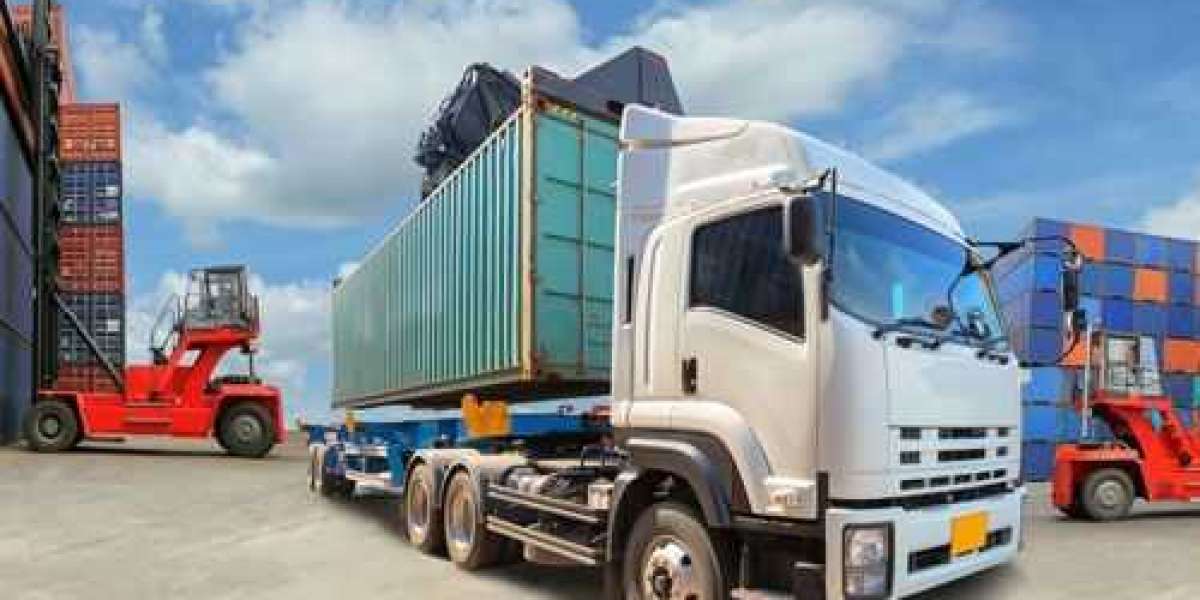

The trade corridor between the United Arab Emirates and Saudi Arabia is one of the most active in the Middle East. Among the various modes of cargo movement road cargo from Dubai to Riyadh has become the most preferred option for businesses seeking reliability, speed, and cost-effectiveness. As regional trade continues to grow, land freight plays a crucial role in ensuring seamless cargo transport between two of the GCC’s most dynamic economies.
Why Road Cargo Is the Preferred Choice
Several factors make road transport between Dubai and Riyadh an attractive logistics solution:
- Fast Transit Times: Shipments can reach Riyadh from Dubai in as little as 24 to 48 hours.
- Door-to-Door Convenience: End-to-end delivery with fewer transfers.
- Cost Savings: More economical than air freight and faster than sea freight.
- Flexibility: Suitable for Full Truck Load (FTL) and Less-than-Truck Load (LTL) cargo.
- Reliable Access: Regular departures and dependable road infrastructure ensure timely deliveries.
These advantages make road cargo the go-to solution for both small businesses and large-scale exporters.
Key Route and Border Crossing
The primary route for road freight from Dubai to Riyadh begins at Dubai’s industrial zones and moves westward through Abu Dhabi, reaching the Al Ghuwaifat border. From there, cargo enters Saudi Arabia via the Al Batha checkpoint, continuing on well-developed highways to Riyadh, the kingdom’s capital and main distribution hub.
This established route is supported by:
- Streamlined customs processes
- Border inspection facilities
- Advanced tracking systems for cargo visibility
Industries That Benefit Most
A diverse range of industries regularly utilize road cargo from Dubai to Riyadh, including:
- Retail and FMCG – For fast-moving consumer goods and restocking.
- Construction – For heavy machinery, raw materials, and equipment.
- Healthcare – For pharmaceutical products and medical devices.
- E-commerce – For fulfilling online orders with short delivery timelines.
- Automotive – For transporting parts, accessories, and new vehicles.
Each of these sectors depends on reliable transport to maintain efficient supply chains and satisfy customer demands.
Step-by-Step Cargo Movement Process
- Pickup: Cargo is collected from the shipper’s warehouse or location in Dubai.
- Preparation: Packing, labeling, and documentation are completed.
- UAE Customs Clearance: The shipment is processed for export at Al Ghuwaifat.
- Border Transit: The cargo enters Saudi Arabia at Al Batha and undergoes inspection.
- Final Delivery: The shipment is transported to Riyadh and delivered to the consignee.
Logistics providers ensure every step is handled with precision, reducing risks and delays.
Value-Added Services for Clients
Modern freight companies enhance road cargo services with a range of features:
- Real-Time GPS Tracking
- Cargo Insurance Coverage
- Customs Brokerage Support
- Temperature-Controlled Vehicles (if needed)
- Express and Dedicated Vehicle Options
These services provide additional reliability and transparency for businesses, especially those managing high-value or time-sensitive shipments.
Regulatory Compliance and Documentation
Cross-border road cargo requires adherence to strict customs regulations. Logistics providers assist with:
- Preparing commercial invoices and packing lists
- Obtaining certificates of origin
- Managing SASO and SFDA certifications for regulated goods
- Calculating and paying customs duties and VAT
Proper documentation ensures the smooth movement of goods across the UAE–KSA border.
Sustainability in Road Freight
As sustainability becomes a key focus, many freight companies are taking steps to reduce their carbon footprint by:
- Using fuel-efficient or hybrid trucks
- Consolidating shipments to optimize vehicle loads
- Implementing route optimization software
These efforts support regional environmental goals while improving delivery efficiency.
Conclusion
Road cargo from Dubai to Riyadh remains one of the most effective logistics channels for businesses in the GCC. With its balance of speed, cost, and reliability, it serves as the backbone of cross-border trade. Whether you're transporting consumer goods, industrial materials, or e-commerce parcels, road freight offers a strategic advantage in connecting the UAE and Saudi markets.