
Content

The automated tools described in this guide should help troubleshoot Outlook synchronizing folders error you get to the root of the problem and get your users back on email. If you are experiencing problems with Exchange server connectivity, there are many points of failure to look for. An initial test may reveal that your Exchange server is set up correctly so you will need to investigate the email clients accessing the server and the networks that they connect through. Microsoft Remote Connectivity Analyzer is a web-based service that includes tests for Microsoft Exchange Server and Office 365 services. This package is suitable for use by any business that has Microsoft Exchange as an email server.
- You can try out the Microsoft Management Tools on a 30-day free trial.
- However, as a systems administrator, you are probably already well aware that sometimes, one element in the chain of cooperating programs fails to load.
- Fortunately, Microsoft provides a suite of tools and techniques to simplify the testing process.
- We’ll cover tools like the Microsoft Remote Connectivity Analyzer, which tests connections from outside the network.
- You need to click on Expand All in order to see the full text of the detailed results.
- For IT administrators, it’s crucial to identify and resolve issues related to these elements to maintain stable and secure access to the Exchange environment.
- The available checks for your email system are laid out on the first, default tab of the utility.
Troubleshooting Outlook Connectivity Issues with Exchange Server
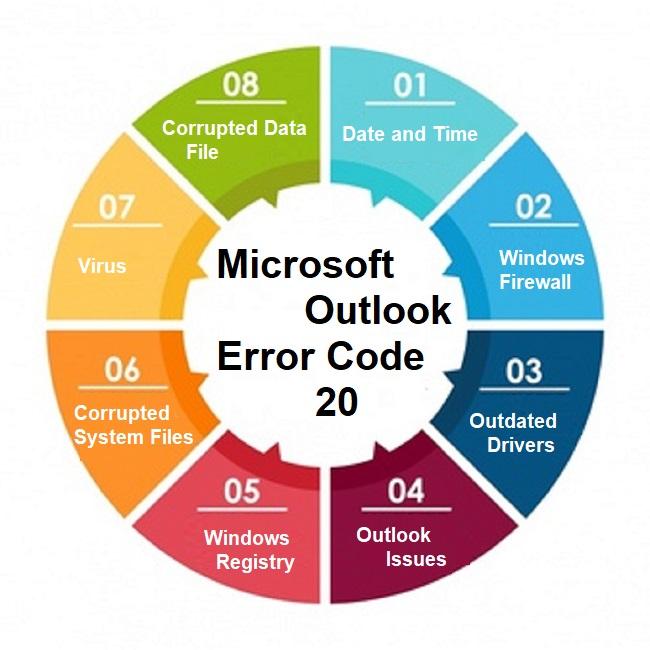
By following the detailed troubleshooting steps above, you should be able to identify and resolve the problem preventing Outlook from connecting to the Exchange server. Exchange connectivity can be influenced by numerous factors, including network configurations, firewall settings, DNS records, and client settings. For IT administrators, it’s crucial to identify and resolve issues related to these elements to maintain stable and secure access to the Exchange environment. Fortunately, Microsoft provides a suite of tools and techniques to simplify the testing process.
SolarWinds Microsoft Management Tools (FREE TRIAL)
Exchange Server underpins email, calendar, and other FixTechGuide login issue guide collaborative functions, so any connectivity issues can disrupt productivity, lead to missed messages, and affect overall efficiency. Testing connectivity helps prevent these disruptions, making it easier to diagnose potential issues before they impact users. If your network and DNS seem fine, the next step is to verify the Exchange server itself. Certain services need to be running for Outlook to connect properly. Microsoft Remote Connectivity Analyzer includes tests for Lync servers. These tests include a connectivity test for the server and another utility to test the connectivity of the autodiscovery service.
Verify DNS Resolution
Replace with the fully qualified domain name of the Exchange server, such as exchange.example.com. SolarWinds Microsoft Management Tools include a module that tracks Exchange Server’s performance. This is the Server and Application Monitor, which installs on Windows Server. The results screen tells you whether the test connected successfully and if not, where problems were encountered.
Exchange Online Migration - Remote Connectivity Test Fails

If that succeeds, then you know your problems lie with Outlook Not Sending or Receiving Email the autodiscovery system. Each Outlook client has an Autodiscover method to locate the relevant Exchange server. The radio button under the credentials fields allows you to test this. Currently, Outlook setup works both on-network and off-network so I believe autodiscover is working as it should.