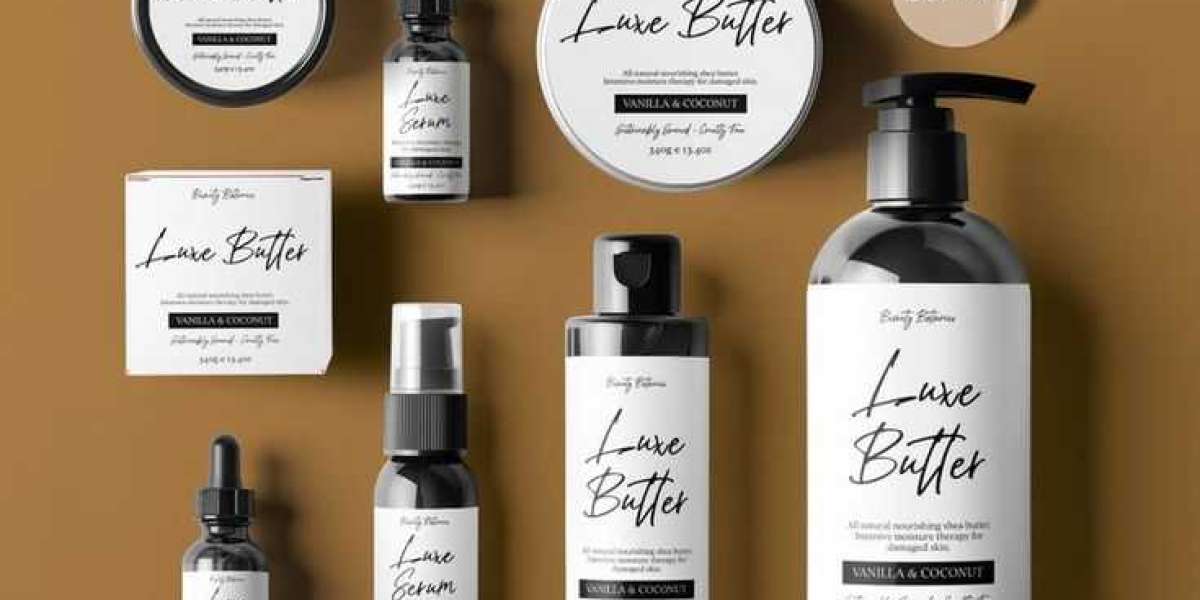

In today’s competitive beauty market, cosmetic product labels serve a purpose far beyond decoration. They are a critical source of information that helps consumers make informed decisions while also reflecting a brand’s credibility. A well-structured label communicates safety, quality, and transparency—three factors that strongly influence trust in cosmetic products.
As regulations tighten and consumer awareness increases, brands can no longer treat labeling as an afterthought. Clear, accurate, and well-organized information on cosmetic labels supports compliance, improves user experience, and enhances shelf appeal. Understanding what details truly matter on a cosmetic product label is essential for any brand operating in the beauty industry.
Why Label Information Matters in the Beauty Industry
Consumers today carefully examine product labels before purchasing skincare or makeup items. They want to know what they are applying to their skin, how to use it safely, and whether it aligns with their personal values or sensitivities. This is where ingredient labeling for cosmetics becomes a core element of transparency, helping customers evaluate products without confusion.
Beyond consumer trust, detailed labeling also protects brands. Clear information reduces the risk of misuse, allergic reactions, or misunderstandings that could lead to negative reviews or regulatory issues. In short, labels act as both a communication tool and a safeguard.
Product Name and Category Identification
The first essential element on any cosmetic label is clear product identification. Consumers should immediately understand what the product is and its intended purpose.
This typically includes:
Product name
Product type (e.g., moisturizer, serum, foundation)
Intended use area (face, body, hair, etc.)
Clear identification ensures customers do not misinterpret the product’s function, especially when multiple items are displayed together in retail environments.
Complete and Accurate Ingredient List
An ingredient list is one of the most scrutinized sections of a cosmetic label. Customers rely on it to identify potential allergens, active components, and formulation quality. Accuracy and completeness are critical.
Key best practices include:
Listing ingredients in descending order by concentration
Using standardized ingredient names
Avoiding vague or misleading terms
Proper ingredient labeling for cosmetics not only supports informed choices but also aligns with global regulatory expectations, helping brands maintain consistency across markets.
Usage Instructions and Application Guidance
Even high-quality cosmetic products can deliver poor results if used incorrectly. Clear usage instructions help consumers understand how and when to apply the product for best results.
Effective usage guidance may include:
Frequency of use
Recommended amount
Application method
Short, easy-to-read instructions reduce confusion and enhance the overall customer experience.
Safety Warnings and Precautions
Safety information is a non-negotiable component of cosmetic labeling. Warnings protect consumers and demonstrate brand responsibility.
Common safety details include:
Allergy warnings
Age restrictions
Storage recommendations
Patch test advice
Including visible safety information reflects adherence to beauty industry packaging standards and shows that the brand prioritizes consumer well-being.
Manufacturer or Distributor Information
Transparency also involves accountability. Cosmetic labels should clearly state who is responsible for producing or distributing the product.
This section usually contains:
Company name
Address or country of origin
Customer support contact details
Providing this information reassures consumers that the brand is legitimate and accessible if questions or concerns arise.
Batch Numbers and Expiry Details
Batch codes and expiration or “period after opening” details are essential for quality control and traceability. They help consumers assess product freshness and allow brands to manage recalls if necessary.
These details support:
Product safety
Inventory tracking
Consumer confidence
Clear placement of this information ensures it is easy to locate without cluttering the label design.
Design Clarity and Readability
While content accuracy is essential, presentation determines whether that information is actually read. Following cosmetic label design best practices helps ensure labels are both attractive and functional.
Effective design focuses on:
Readable font sizes
Logical information hierarchy
Adequate spacing
Consistent branding elements
Good design enhances usability without compromising compliance or clarity.
The Role of Custom Labels in Brand Identity
Labels also serve as a branding asset. Thoughtfully designed custom cosmetic labels allow brands to maintain consistency while meeting informational requirements. When branding and information work together, labels become more engaging and trustworthy.
Custom labeling solutions help brands balance creativity with structure, ensuring that essential information remains clear while visual identity stands out on retail shelves.
Packaging and Label Alignment
Labels must work in harmony with the product’s outer presentation. The size, shape, and surface of packaging boxes can influence how easily information is displayed and read. Poor alignment between labels and packaging can reduce readability and undermine transparency.
Well-designed packaging boxes provide adequate space for essential label details while supporting durability and shelf presentation. When packaging boxes are planned alongside labeling requirements, brands achieve better consistency and functionality.
Final Thoughts
A cosmetic product label is a vital communication tool that informs, protects, and builds trust. From ingredients and usage instructions to safety warnings and branding elements, every detail plays a role in shaping consumer perception.
By following regulatory expectations, applying thoughtful design, and aligning labels with packaging boxes, brands can create labels that are both informative and professional. In an industry driven by trust and transparency, clear cosmetic labeling is not optional—it is essential for long-term success.